Culture · Place · Conversation
Feng Shui: a thoughtful introduction to place.
Feng Shui is a traditional Chinese practice concerned with the relationship between people and their surroundings. This is a respectful starting point for learning—not a promise that a room arrangement can determine what happens next.
Feng Shui groups are not open yet. AMV does not offer consultation services.
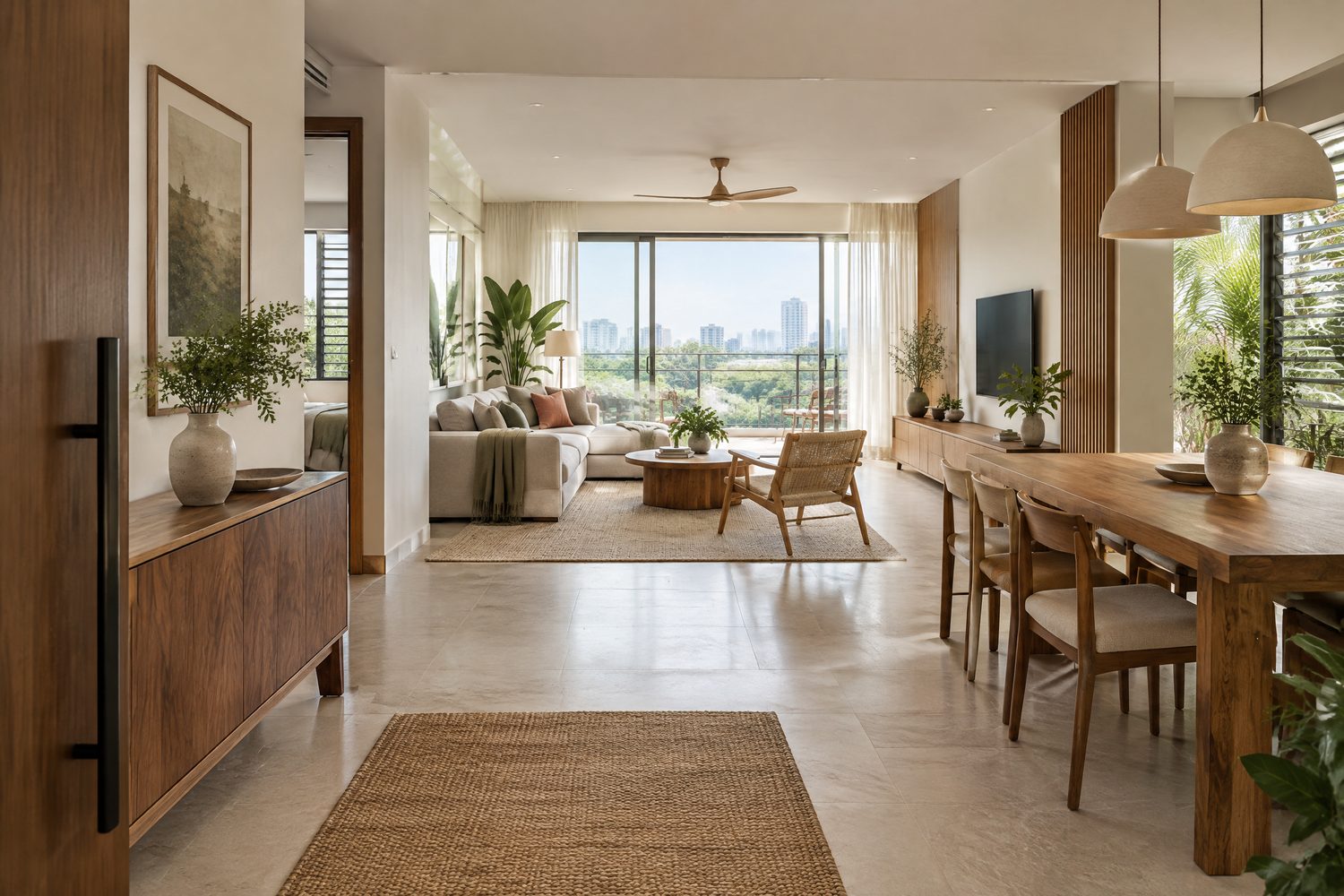
A tradition of people and environments
Often translated as “wind-water,” Feng Shui is a longstanding Chinese practice of considering the siting and orientation of places, buildings and objects in relation to their surroundings. It has informed settings as varied as burial sites, gardens, homes and urban layouts.
Its ideas developed within Chinese philosophical and cultural traditions; they are not a universal decorating rulebook. Practice, interpretation and importance differ across communities, families and practitioners.
Core ideas in plain language
Feng Shui uses qi as a name for vital breath or life force and considers how a setting may be brought into harmony with its flow. Yin and yang describe complementary qualities rather than fixed good-versus-bad labels. The five phases—water, wood, fire, earth and metal—offer another traditional framework for relationships and change.
Classical approaches are often described as Form and Compass schools. Form approaches attend to visible landscape and features of a site; Compass approaches use directional systems and calculations. Neither is well represented by one-size-fits-all online rules.
A grounded way to observe a space
Begin with observations you can test in daily life. Can people move through the room safely? Is its purpose clear? Are useful items reachable? Are light, sound, privacy and clutter working for the people who use it?
Small, reversible changes make reflection practical. Personal taste, accessibility, tenancy rules, household needs and budget matter; an arrangement that feels right to one person may not suit another.
- Choose one area and one purpose, such as resting or welcoming guests
- Change one non-essential feature at a time, then live with it
- Prioritise safety, ventilation, building requirements and shared needs
Respect tradition; keep perspective
Feng Shui remains meaningful to many people as a cultural practice and a way of paying attention to place. At the same time, its explanatory claims are not established as empirical science. It is reasonable to be curious, appreciative and discerning at once.
AMV offers this page for education and conversation, not professional consultation. No layout, object, colour or direction can guarantee an outcome.
A brighter world, together
Explore the ideas shaping AMV.
Read about the interests, communities and experiences AMV is being created to support.